Pokémon Center
One IP through the whole queue.
A queue remembers where you connected from. Add a session token to the username and every request leaves from the same residential IP, for up to 24 hours, in the store's own country.
Proof
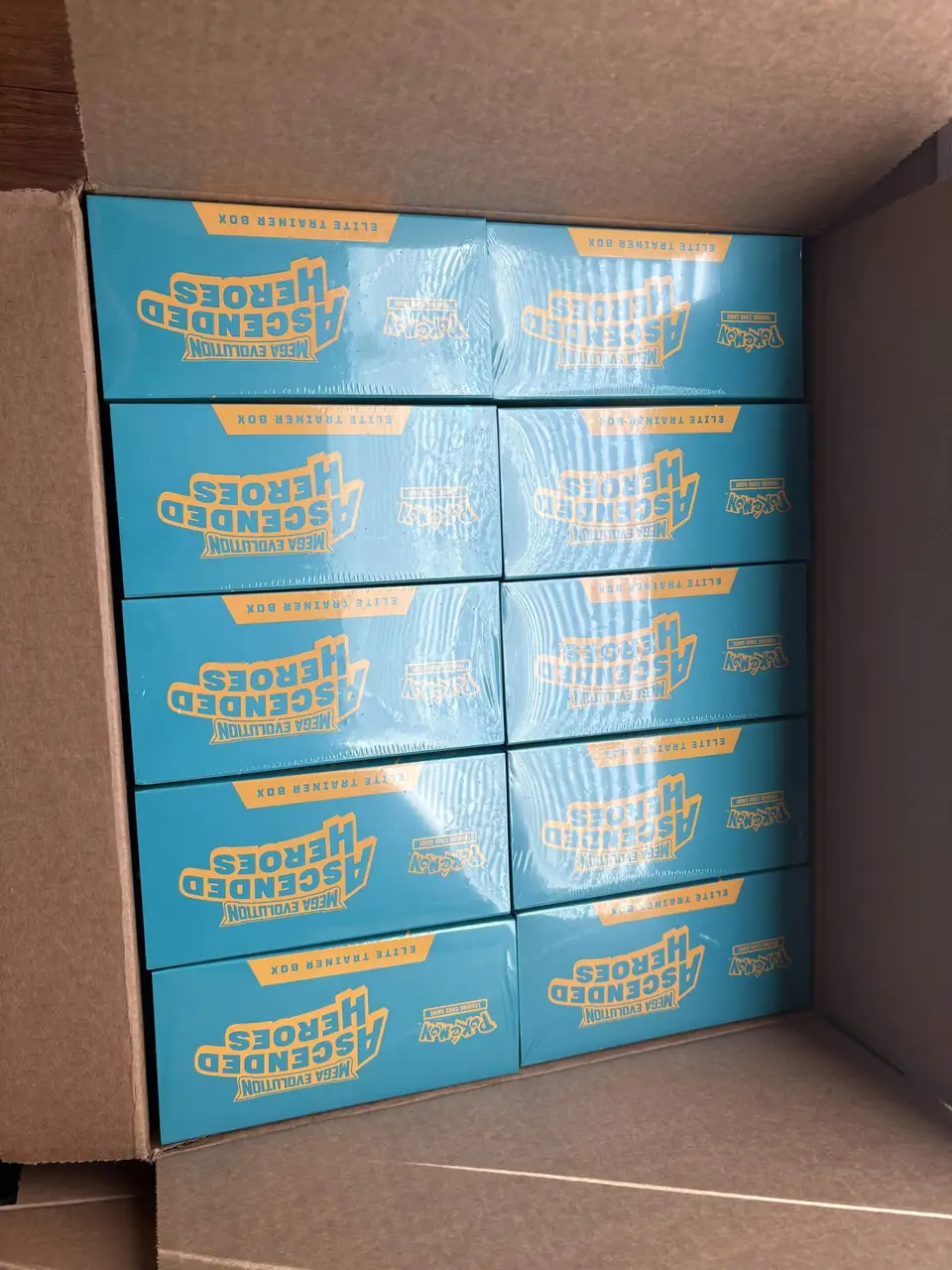
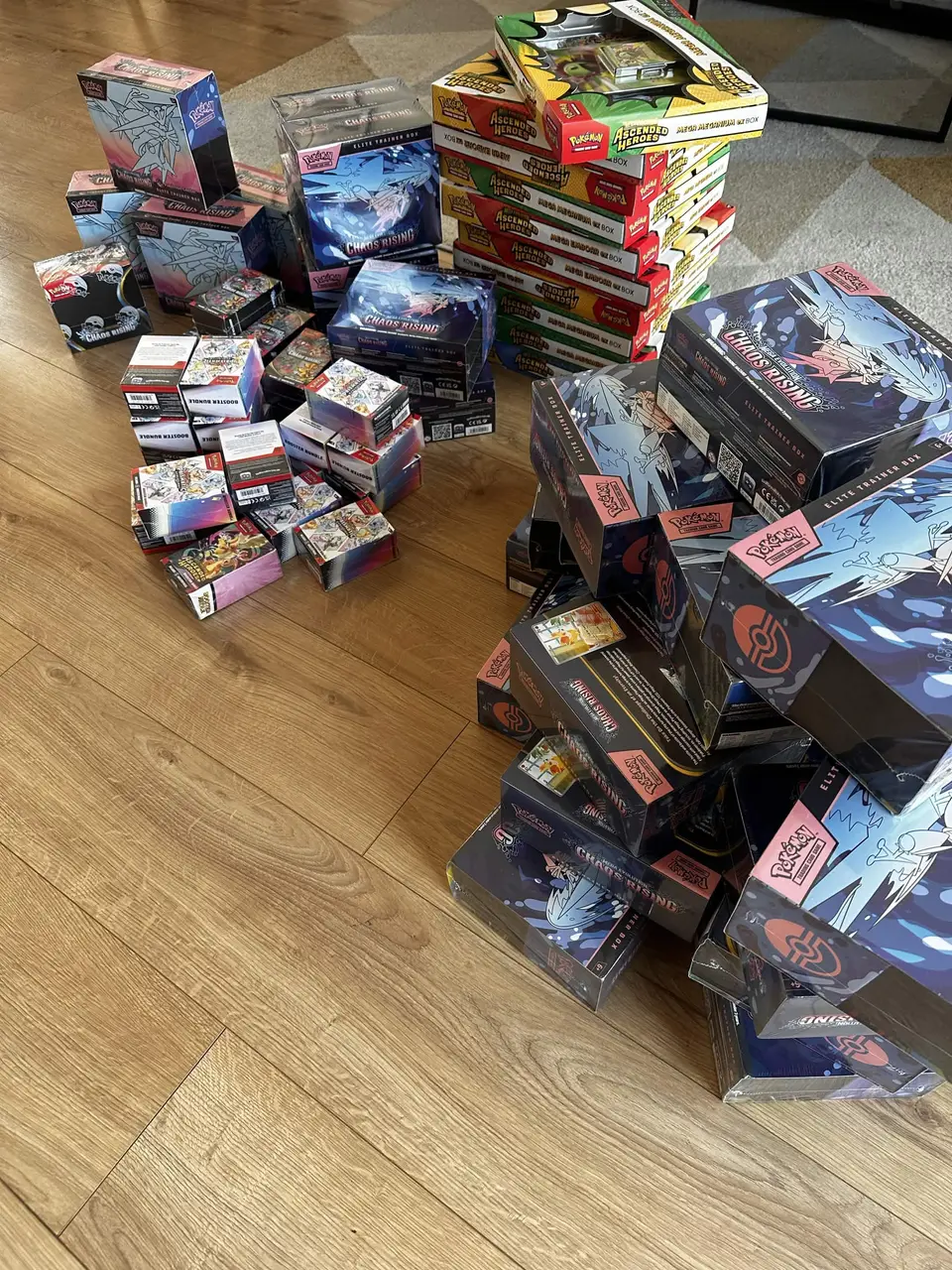
Posted in #success. By the people who checked out.
Every photo on this site was posted in our Discord's #success channel by the customer who got the box. Post yours there and the bot spins you free gigabytes.
See every win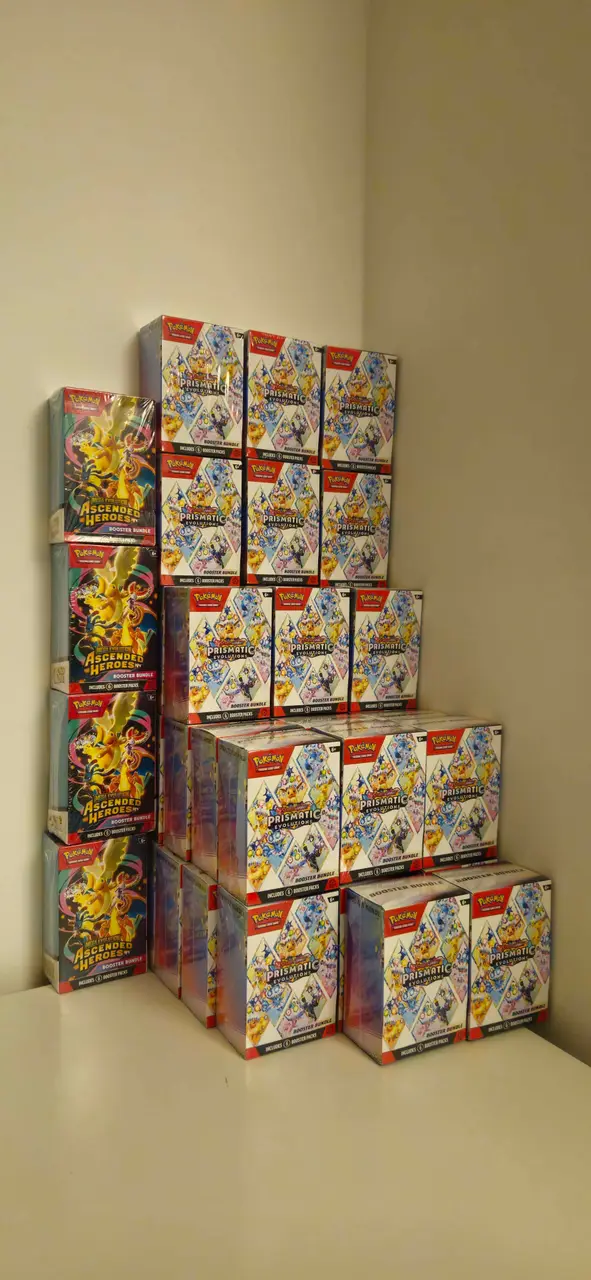
The string for a queue.
Sticky, US exit, held for two hours — the setup most Pokémon Center runners start from. Pick the country of the store you're running; the session id changes every time you generate.
us-residential2.basilproxies.com:2115:basl_7k2m9x4z-cc-us-sess-k4mz61pq-ttl-120:vq20hxw8Example with placeholder credentials — yours generate in the dashboard. One port: a session token holds one IP; targeting rides the username.
Strings
Three strings. Same credentials.
The tokens do all the work. One login runs the queue, a second store's region and the restock monitor at once — only the username changes.
Read the docs# Pokémon Center US — one IP for two hours us-residential2.basilproxies.com:2115:USER-cc-us-sess-k4mz61pq-ttl-120:PASS # A Japanese exit through the Asia gateway, same login ap-residential2.basilproxies.com:2115:USER-cc-jp-sess-x9d02mvq-ttl-120:PASS # Restock monitor — a new IP on every request (no session token) us-residential2.basilproxies.com:2115:USER-cc-us:PASS
Which product
Residential, not ISP, for queues.
A queue wants an IP that looks like a home connection in the right country, and one you can drop and re-roll the moment it's burned. That's the residential pool: pay per gigabyte from 1 GB, rotate or stick per string, and pull a fresh identity by changing eight characters. ISP proxies are the other product — one dedicated IP that stays yours month to month — and they earn their keep on sites that are hard on residential traffic, not in a queue.
See residentialFrom the blog
Read more.
A ttl cheat sheet by site type: queues, checkouts, monitors
Which -ttl- to put on a sticky line for a monitor, a queue, a checkout, a raffle entry and a signed-in account, and why the default 15 minutes is a trap.
Maison de la Presse and newsagent card drops: small shops, same rules
Card restocks at French newsagents and small shops: -cc-fr through the European gateway, few sticky tasks, a gentle rotating monitor, and a 1 GB budget.
King Jouet, JouéClub, La Grande Récré: one French setup for three toy shops
One login, French exits, a session-id scheme that keeps three shops apart, a sub-account per shop for a split bill, and a script that writes the lines.
Before you ask.
Up to 1,440 minutes — 24 hours. The ttl is a number you write into the string; the same session id keeps the same IP until it runs out, then re-rolls. Change the id and you get a fresh IP immediately.
Yes. The -cc- token picks the exit country by its two-letter code — us, jp, gb, ca, au or any of 190. Add a -city- token to narrow to one city; the dashboard's city picker gives you the exact code.
No. The string works in any HTTP proxy setting — a browser profile, an extension, a bot task. A session token makes it a sticky session whatever sends the request.
Probably not. A brand-new login can answer 407 or 503 for the first minute or two while the gateways pick it up. Wait, retry, and only then re-copy the pair from the dashboard. Targeting tokens belong on the username, never the password.
It depends on the site and your bot, so we don't publish a number. Pay-as-you-go starts at 1 GB and never expires — buy small, run one drop, and read the statistics page: bandwidth per day, requests, and your top domains.
Generate them on the residential page of the dashboard — up to 100,000 lines in one go, in the format your bot expects. Or DM the Basil bot on Discord: /proxies hands you your own lines, a code block up to 25 and a .txt file beyond that.